Cisco's release of a patch for CVE-2026-20230 in Unified Communications Manager marks another reminder that even mature, widely-deployed infrastructure software can harbour authentication bypasses with severe consequences. The vulnerability is a server-side request forgery (SSRF) that permits an unauthenticated attacker with network access to write files to the system and ultimately achieve root-level code execution.
The SSRF-to-RCE Chain
Server-side request forgery flaws have long been underestimated. Unlike SQL injection or cross-site scripting, SSRF doesn't immediately scream 'remote code execution' to the untrained eye. Instead, it tricks a server into making requests on behalf of an attacker—often to internal services that the compromised system can reach but the attacker cannot.
In this case, the Cisco flaw allows an unauthenticated network-adjacent actor to write files to the Unified CM instance. File write primitives are extraordinarily dangerous in Unix-like systems; an attacker who can write to filesystem locations executable by root—such as startup scripts, cron jobs, or service configuration files—can escalate to full system compromise. The combination of SSRF, file write, and inadequate access controls creates a straightforward path to unauthenticated root access.
What makes this particular issue noteworthy is that public proof-of-concept code is already available. Cisco's Product Security Incident Response Team has stated they have not observed in-the-wild exploitation, but the release of working PoC code significantly shortens the window before mass exploitation becomes probable.
Implications for Hosting Operators
Organisations running Unified Communications Manager in multi-tenant or shared infrastructure environments face elevated risk. Unlike isolated deployments where a compromise affects only one customer, a breach in shared infrastructure can become a beachhead for lateral movement across the entire network.
The attack surface is particularly concerning because SSRF exploits don't require valid credentials—only network access to the vulnerable service. In a typical datacenter or hosting environment, internal network segmentation is often weak. A compromised Unified CM instance that can initiate requests to other internal systems can potentially chain this flaw with vulnerabilities in other services, creating a multi-stage attack.
Infrastructure operators should immediately verify whether Unified CM is running in their environment and apply Cisco's patches without delay. Those unable to patch immediately should implement strict network segmentation: isolate Unified CM on a VLAN with minimal access to other internal services, restrict outbound connections to known required destinations, and monitor for unusual internal traffic patterns originating from the system.
Network Segmentation as a Foundational Control
This vulnerability underscores a broader principle in infrastructure security: assume every service will eventually be compromised. The goal is not to prevent all breaches—that is impossible—but to contain them.
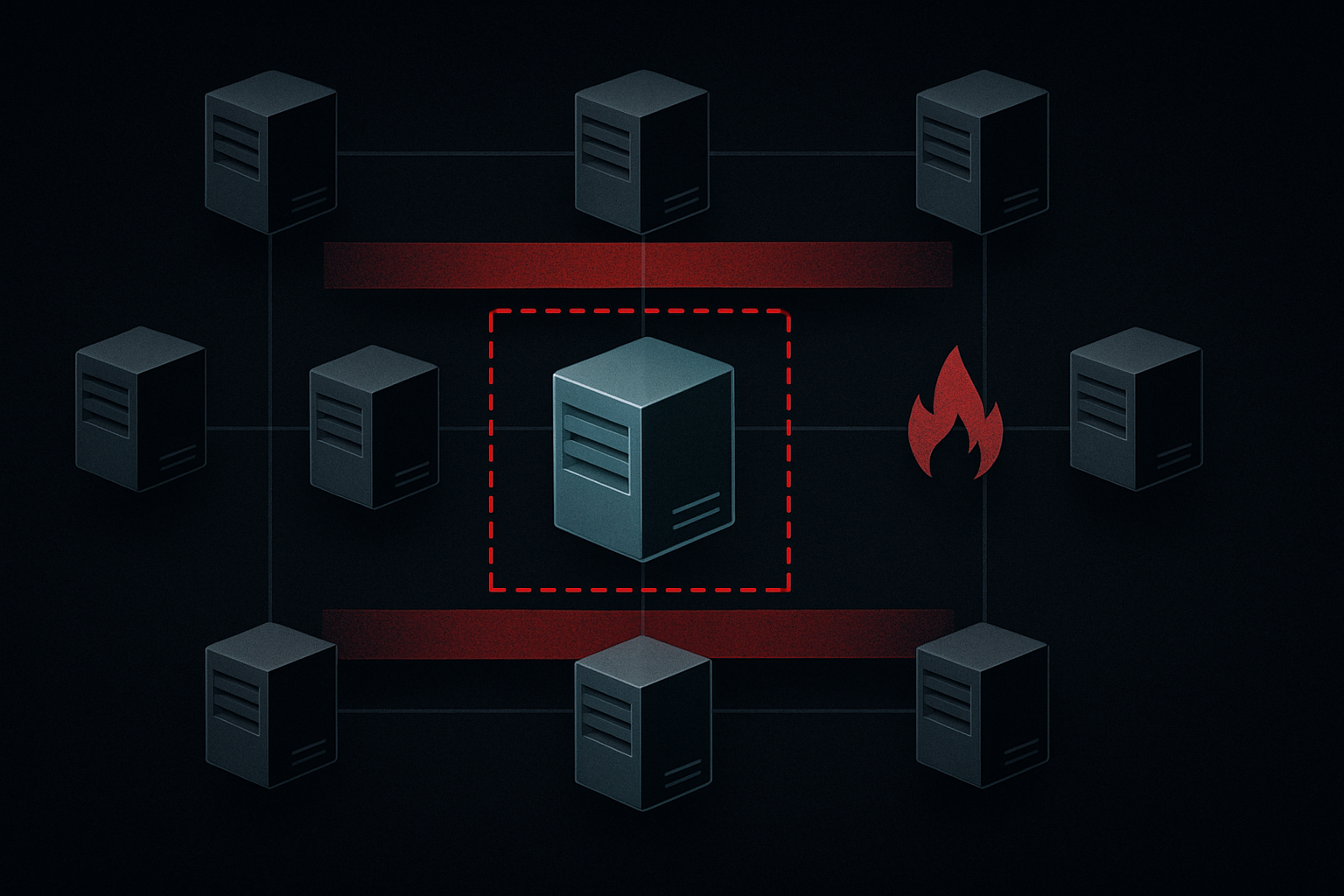
Organisations that treat their internal network as a flat, fully-routed mesh are placing enormous trust in their perimeter defences and the security of every single internal service. A single SSRF flaw in one application becomes a jumping point to everything else. By contrast, mature operators segment their networks by trust boundary: voice infrastructure isolated from databases, administrative networks separated from tenant-facing systems, and so on.
The disclosure of this Cisco flaw is a practical reminder that network segmentation is not a luxury but a fundamental expectation. Even well-maintained systems from established vendors require it.
Patching Strategy and Monitoring
Given the public availability of PoC code, a phased patching approach is risky. Organisations should prioritise Unified CM instances that are network-adjacent to sensitive infrastructure—databases, authentication systems, or management consoles. Test patches in a staging environment first, but do not delay production rollout beyond a few days.
During and after patching, monitor Unified CM logs for failed file operations, unusual process spawning, or startup script modifications. Many SSRF-based attacks leave traces in application and kernel logs; defenders who know what to look for can identify compromise attempts even before exploitation completes.
Maturity in infrastructure operations means treating every vulnerability disclosure as a potential indicator of active threat. By the time public PoC code exists, the attack surface has already widened. Swift action, combined with properly segmented infrastructure, remains the most reliable defence.