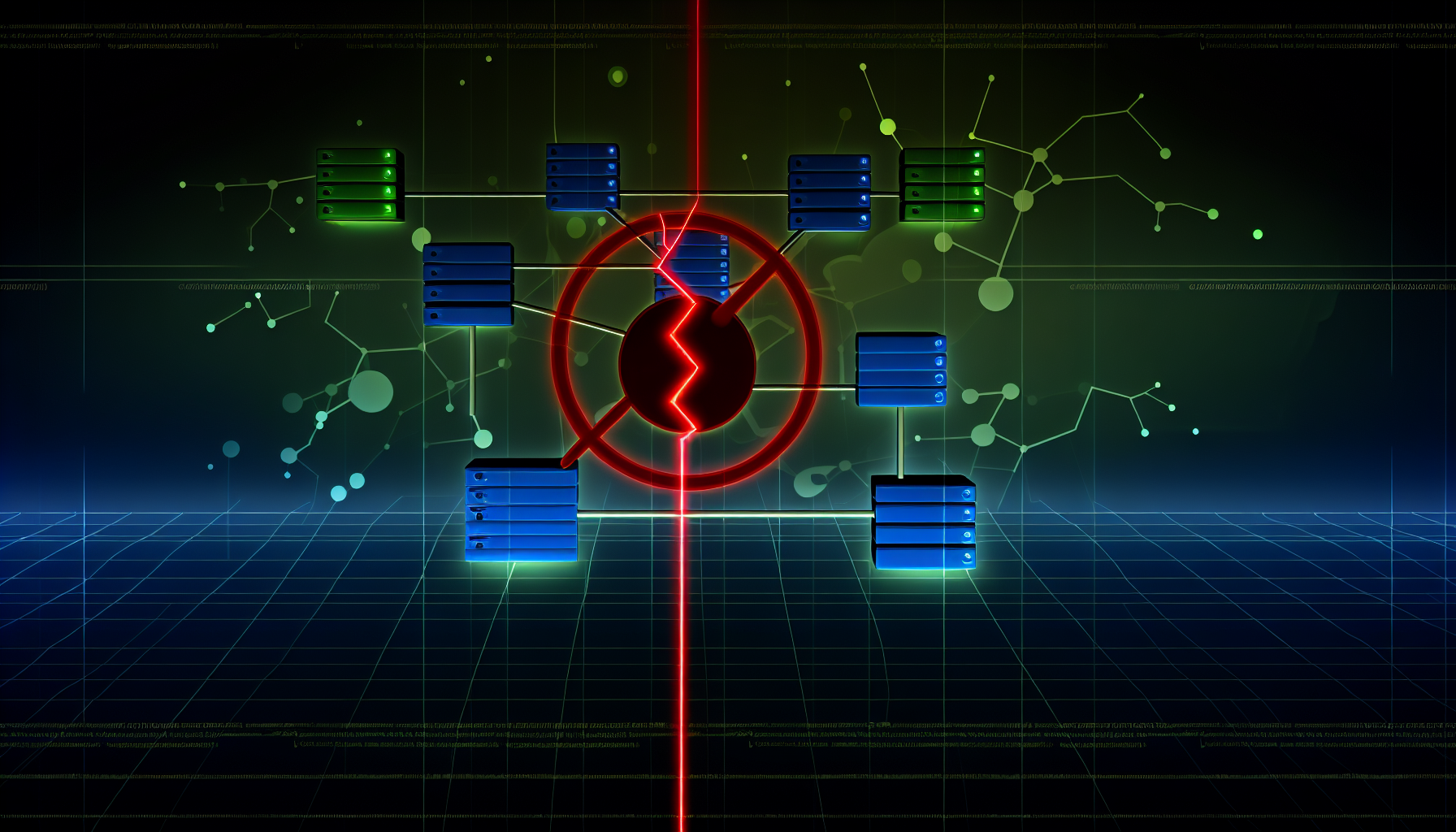
The assumption that a breach will happen is no longer pessimistic—it's baseline infrastructure planning. What separates a contained incident from a catastrophic one is the speed and effectiveness of your response after that first host is compromised. For hosting and infrastructure operators, understanding how to isolate and contain a "Patient Zero" machine before it pivots across your network is not optional.
The Lateral Movement Problem
Once an attacker gains a foothold on a single machine—whether through a compromised employee credential, a supply-chain compromise, or any other entry vector—the clock starts. A well-resourced threat actor can move from that initial host to your domain controller, your hypervisor, your backup infrastructure, or your billing systems within hours. The sophistication of reconnaissance and credential theft tools means that even a moderately skilled attacker can map your internal network topology and identify high-value targets quickly.
This is where the human element compounds the technical problem. An employee might not report a suspicious email immediately. A system administrator might dismiss an unusual login as a forgotten password. By the time you detect the intrusion, the attacker has already gathered domain credentials, enumerated shares, and identified systems worth moving to next.
Detection Before Spread
The first practical step is reducing the window between compromise and detection. This requires monitoring that goes deeper than perimeter logs. Within your hosting infrastructure, you need visibility into:
- Authentication events—failed logins, privilege escalations, and unusual access patterns—aggregated from domain controllers, SSH servers, and hypervisors.
- Network traffic between hosts, especially unexpected connections from workstations to administrative systems or database servers.
- Process execution on critical hosts, flagging unusual child processes, unsigned binaries, or calls to obfuscation/encoding tools.
- File access and modification on sensitive paths—configuration files, credential stores, backup locations.
A single machine showing two or three of these signals together is a strong indicator of compromise. The goal is to reduce your mean time to detection (MTTD) from "weeks, if at all" to "hours."
Isolation and Containment Strategy
Once you suspect a host is compromised, the reflex to isolate it must be automatic and practiced. This is not the time for debate or caution. Your containment plan should include:
- Network isolation. The host is disconnected from the network immediately—not gradually, not after backing up logs. This prevents further lateral movement and data exfiltration. In hypervisor environments, this means disabling the vNIC; on physical hardware, it means unplugging the cable or disabling the interface via IPMI.
- Credential revocation. Any account that logged into the compromised host in recent days (and any accounts that host ever had cached credentials for) must be reset or disabled. This prevents attackers from using stolen credentials on other systems even after the initial host is removed from the network.
- Dependent systems review. If the compromised host accessed other systems—shared storage, databases, APIs—those systems must be inspected for signs of access. Logs should be preserved and analysed, not deleted.
- Forensic preservation. Before reimaging, capture disk and memory state. This is evidence, and it may be valuable for understanding the full scope of the breach later.
The Infrastructure Angle
For infrastructure operators running multi-tenant or high-availability systems, the stakes are even higher. A single customer's compromised host must not be able to reach another customer's infrastructure. This argues for strict network segmentation at the hypervisor and routing level—not just firewall rules at the perimeter.
Similarly, your infrastructure itself (control planes, management networks, hypervisors, storage arrays) must be segregated from customer-accessible layers. An attacker who compromises a customer VM should have no path to your administrative infrastructure, even if they escalate privileges within that VM.
The human element remains difficult to automate. But the technical tooling—network segmentation, centralized logging, automated alerting, and incident runbooks—can be built and tested now. Running a containment drill twice a year, where you simulate a compromise and measure how long isolation takes, is time well spent. You'll find gaps in your tooling, your processes, and your team's training. That's the point.
A breach is survivable if you can limit its blast radius. A Patient Zero infection that stays on one machine is an incident. A Patient Zero infection that spreads unchecked is a catastrophe.