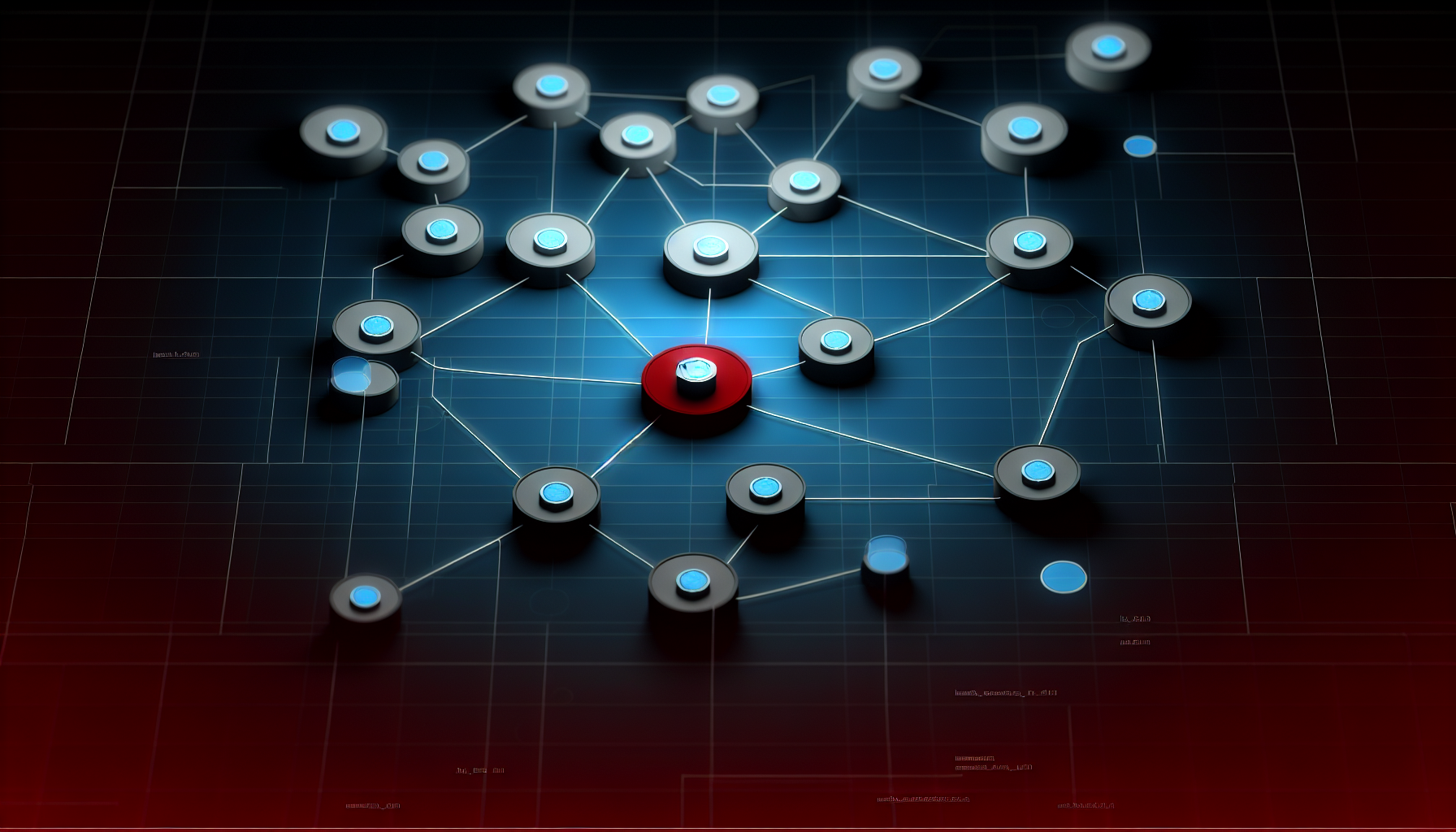
The narrative around most modern breaches follows a predictable arc: initial compromise of a single user account or endpoint, followed by lateral movement across the infrastructure. The first intrusion is often the easiest part for attackers. What determines whether an organisation loses data or merely loses sleep is what happens in the hours after that first click.
The Containment Gap
Once a single system is compromised—what some security researchers call "Patient Zero"—the attacker has a foothold and begins mapping the network. They move from that initial system to other machines, looking for credential stores, unpatched services, or weak segmentation. This lateral movement phase is where most organisations fail, not because they lack tools but because they lack visibility and prepared response procedures.
Many infrastructure teams operate under the assumption that their perimeter defences are the primary line of defence. In reality, once an attacker has crossed that perimeter, internal network architecture matters far more than the firewall. If every system can reach every other system, then a single compromised workstation becomes a staging ground for wholesale infrastructure capture.
Network Segmentation as a Practical Control
The most effective response to lateral movement is not faster detection software but thoughtful network design. Systems should be grouped by function and trust level, with strict rules governing which systems can communicate with which others. A development laptop should not need unrestricted access to database servers. Workstations should not have direct routes to administrative infrastructure.
Zero trust architecture takes this further: assume every request is suspect and verify each one. This means requiring explicit authentication and authorisation even for traffic within your network, not just at the boundary. It sounds resource-intensive in theory, but in practice it means the difference between losing hours to containment and losing weeks.
For hosting operations and infrastructure teams, this translates to several concrete measures: enforce role-based access controls at the network level; isolate administrative systems on separate, monitored networks; require multi-factor authentication for any privileged access; and maintain detailed logs of lateral movement attempts (successful or failed).
Detection Timescales
Even with good segmentation, detection speed matters enormously. The faster you identify unusual network traffic or failed authentication attempts, the shorter the window for lateral movement. This is not about sophisticated AI detection systems—those have their place—but about baselines and anomalies.
Many organisations can tell you their average network latency or typical bandwidth usage between subnets. Few can tell you which systems normally talk to which other systems or what a successful administrative login looks like from various locations. Establishing these baselines, then alerting on deviations, costs little and catches most lateral movement attempts within minutes rather than days.
For managed hosting environments, this responsibility often falls to the provider. If your hosting partner cannot tell you when unusual traffic patterns occur on your dedicated servers or VPS instances, you have limited visibility into active compromise. Proper infrastructure monitoring—connection logs, DNS queries, failed authentication attempts—gives you the foundation for rapid response.
Practical Response
Detection is useless without a response procedure. When Patient Zero is identified, the next steps should be documented and practised: isolate the affected system from the network immediately (this is where network segmentation pays dividends—a single compromised machine can be cut off without taking down critical services); preserve logs and memory for forensic analysis; change credentials for any accounts accessed from that system; and check the access logs for that system to see what other resources it contacted.
This is not glamorous work. It requires maintaining detailed logs, understanding your own network topology, and running regular exercises to ensure your team can execute the containment plan. But it is far more effective than hoping your intrusion detection system will catch every attack.
The gap between initial compromise and detection—often measured in days or weeks in real incidents—determines the scope of the breach. Network design and monitoring practices close that gap far more effectively than additional security software.