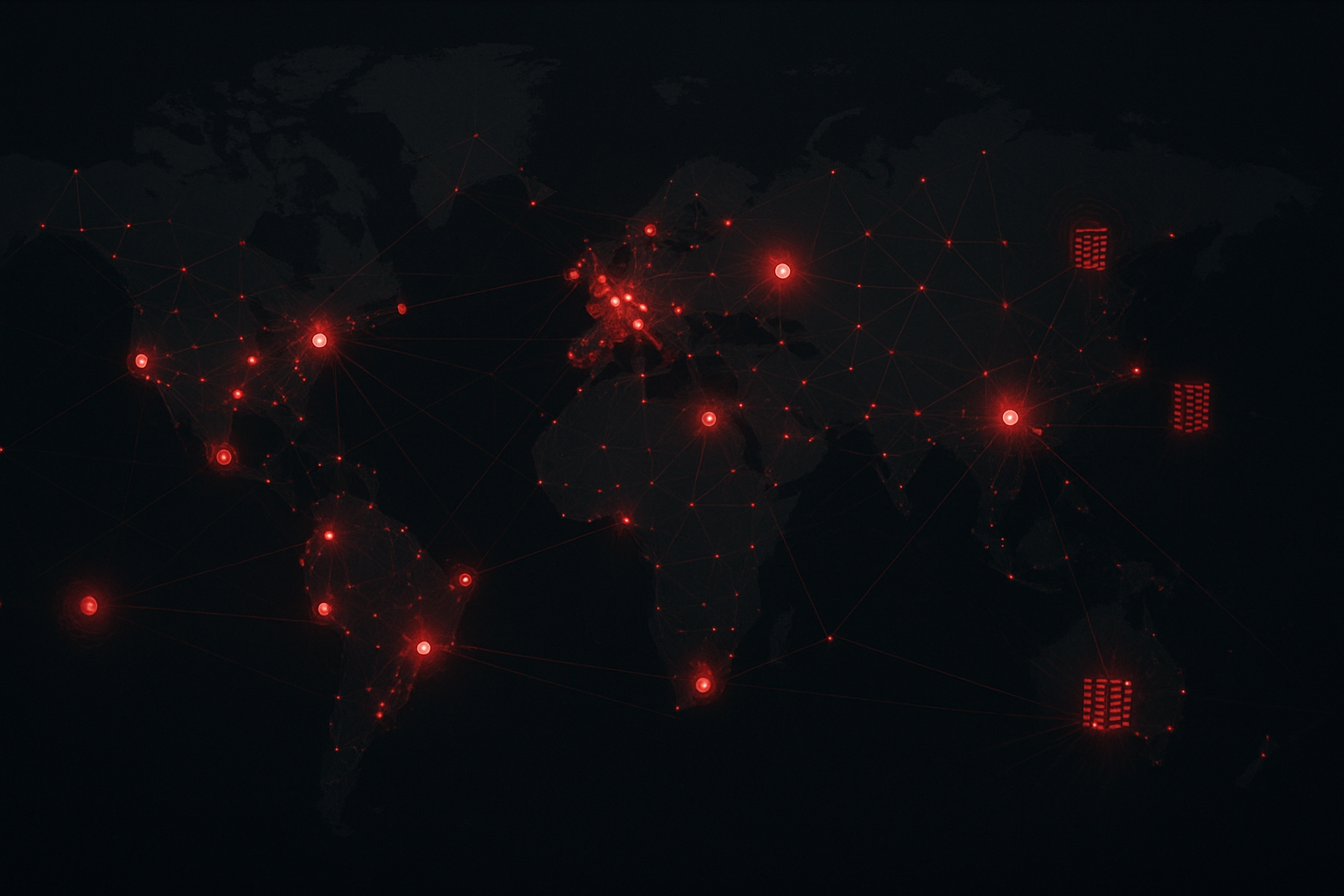
The resurgence of JDY, a state-sponsored botnet attributed to China-nexus threat actors, marks a notable shift in reconnaissance-scale operations. With over 1,500 compromised SOHO and IoT devices now under central control, the network functions as a distributed scanner capable of discovering, fingerprinting, and continuously mapping exposed services across the internet at unprecedented scale.
How JDY Operates at Scale
The botnet's primary function is reconnaissance—systematic discovery of vulnerable or misconfigured services. By distributing scanning tasks across 1,500+ devices, JDY operators gain several operational advantages. First, the traffic appears fragmented across many sources, making it harder to identify as a coordinated campaign. Second, the sheer volume of scanning capacity allows comprehensive mapping of target networks far faster than a single attacker could manage. Third, the SOHO and IoT devices serve as throwaway infrastructure; if a device is detected or blacklisted, the loss is minimal.
This approach differs from earlier botnet strategies that favoured raw computational power for DDoS attacks. Instead, JDY prioritises intelligence gathering—identifying what services run where, what versions are exposed, and which systems lack proper segmentation or access controls. That intelligence feeds into subsequent attack phases.
Why SOHO and IoT Devices Are Easy Prey
Small office, home office, and IoT devices represent the weakest link in internet-facing infrastructure. Many ship with default credentials, outdated firmware that operators never patch, and minimal network monitoring. A residential router or networked printer tucked away in a corner office rarely receives security updates; a poorly configured NAS device sitting in someone's home network might have been exposed for years without the owner's knowledge.
Attackers typically compromise these devices through unpatched vulnerabilities, credential brute-forcing, or supply-chain compromises. Once compromised, the device becomes part of the botnet's scanner fleet, running reconnaissance queries against third-party targets on behalf of the attacker. The device owner remains oblivious.
What This Means for Infrastructure Operators
For those operating servers, datacentres, or hosting infrastructure, JDY's expansion signals an increase in hostile reconnaissance traffic. Your access logs and firewall telemetry will show scanning attempts from seemingly random IP addresses—many residential, many poorly configured. This isn't random; it's coordinated intelligence gathering.
Defensive priorities should focus on visibility and segmentation. Monitor inbound scanning traffic for patterns: multiple requests for common services (SSH, RDP, HTTP, HTTPS) from the same source, or a sequence of fingerprinting probes testing different ports and protocols. Implement rate-limiting on authentication services; brute-force attempts against SSH or management interfaces should trigger alerts and temporary blocks.
Network segmentation matters enormously. Internal services should not be directly exposed to the internet. Use bastion hosts, VPNs, or restricted access controls for administrative interfaces. If a service must be exposed, implement strong authentication, disable default accounts, and regularly audit access logs for failed login attempts.
Patch cycles are equally critical. Many botnet compromises exploit vulnerabilities that patches have addressed for months or years. Establish a clear firmware and software update schedule for edge devices—routers, switches, firewalls, and any IoT equipment connected to your network. Out-of-date devices are open doors.
The Broader Reconnaissance Problem
JDY's expansion reflects a general trend: state-sponsored actors increasingly treat the internet as a target-rich scanning environment. They're not rushing to exploit; they're mapping. This patient reconnaissance phase precedes more targeted attacks. Understanding that infrastructure is under constant systematic probing should inform threat modelling and architecture decisions.
For hosting providers and operators managing customer infrastructure, this reinforces the value of offering hardened, segmented hosting environments with strong network monitoring and DDoS mitigation. Customers need to know their services are under external scrutiny and that basic hygiene—patching, access control, monitoring—is non-negotiable.
The problem is not JDY specifically but the ease with which compromised commodity devices can be weaponised for intelligence gathering. Until consumer and SME network devices ship with secure defaults, regular auto-patching, and proper monitoring, they will remain reconnaissance assets for state-sponsored and criminal actors alike.