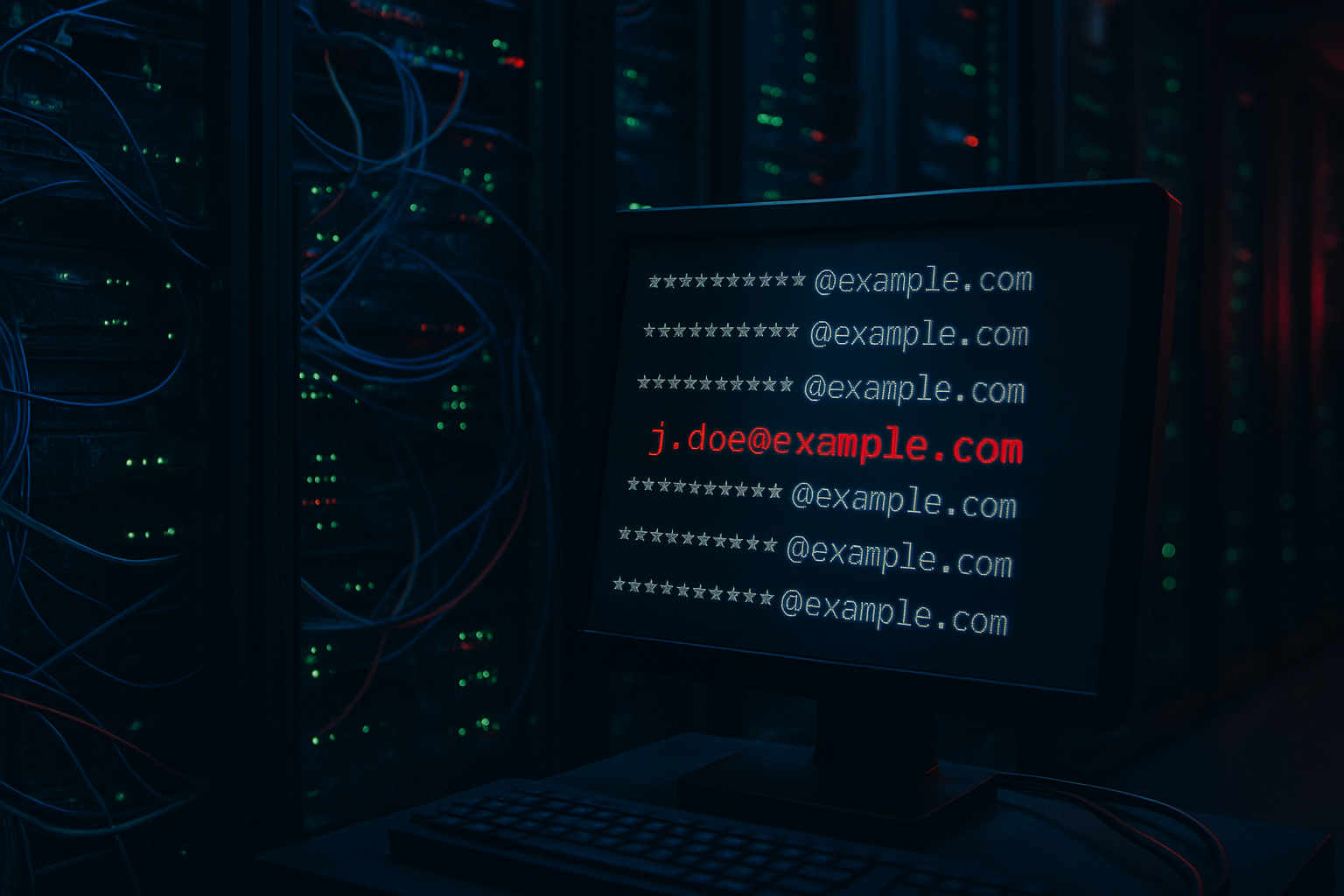
A recently patched vulnerability in Apple's Hide My Email service offers a useful case study in how privacy features can fail at the infrastructure layer. The flaw, disclosed over a year ago, allowed real email addresses to leak into mail server logs despite users relying on masked aliases. For anyone running or designing hosted services, the incident highlights a critical principle: privacy guarantees must extend through the entire stack, not just the user-facing application.
Where Privacy Abstractions Break Down
Hide My Email was designed to let users create disposable email aliases that forward to their real address, hiding the genuine account from third parties. In theory, this should leave no trace of the actual address in service logs or external communications. The vulnerability emerged because the underlying mail infrastructure—the SMTP servers, filters, and logging mechanisms—continued to process and record the real address in certain contexts, particularly when handling bounces, delivery notifications, and internal routing decisions.
This is a common pattern in privacy-focused systems. A well-designed application layer can mask data beautifully, but once traffic reaches infrastructure components like mail servers, DNS resolvers, or CDN logs, the real data often surfaces. The lesson applies broadly to hosted services: if you're making privacy promises to users, you must audit not just your application code but your entire stack—from load balancers through to backend logging and archival systems.
The Cost of Delayed Patching
The vulnerability sat unpatched for over a year after disclosure by Tyler Murphy, co-founder of EasyOptOuts. A year is a long window in which real addresses could have been extracted from Apple's logs by anyone with access to them—legitimate Apple staff, attackers who compromised logging infrastructure, or third parties who gained access through subpoenas or data requests. For infrastructure operators, this underscores the importance of treating privacy-adjacent vulnerabilities with the same urgency as authentication or encryption flaws. A privacy bug is a security bug; it just affects a different threat model.
Apple's eventual fix, deployed in July 2026, likely involved changes to how mail infrastructure handles and logs real addresses when processing masked aliases. This might include stripping real addresses from certain log categories, encrypting them in transit, or redesigning how bounces and delivery errors are handled so they never expose the underlying account.
Designing Privacy Into Infrastructure
For hosting providers and service operators, the broader implication is that privacy cannot be bolted on as an afterthought. If you offer privacy-focused services—whether anonymous hosting, no-logs VPN, or email masking—the guarantee must hold from the entry point through to your cold storage backups. This means:
- Audit log retention policies to ensure sensitive identifiers aren't stored longer than necessary.
- Design mail, DNS, and application infrastructure to avoid exposing real user identifiers in error messages, headers, or diagnostic output.
- Test your entire stack under failure conditions: what gets logged when a server crashes, when traffic is rerouted, when a backup system comes online.
- Consider what data law enforcement or civil litigants can extract from your systems under lawful process, and design to minimize that exposure.
The Apple vulnerability report is a reminder that even large, well-resourced companies can miss these issues. For smaller operators, the margin for error is even smaller. Privacy is a systems problem, not a feature problem.
Moving Forward
The fix itself is less interesting than the underlying lesson: privacy features require continuous architectural review, not just code audits. Infrastructure components like mail servers, reverse proxies, and logging aggregators need to be evaluated as part of your privacy design, not treated as generic commodity systems.
If you're building or hosting privacy-critical services, treat privacy as a constraint on every layer of your stack. Test it. Log it. Measure it. And don't wait a year to patch it when something breaks.