A recent U.S. federal court ruling sheds light on a stubborn problem plaguing copyright enforcement: domain seizure orders work poorly when pirate infrastructure spans multiple jurisdictions and hosting providers. In this case, involving the Chinese streaming platform Aiyifan, a Florida judge awarded damages but explicitly refused to transfer the defendant's domains, citing the presence of third-party content hosted elsewhere.
The Infrastructure Problem Behind Ineffective Takedowns
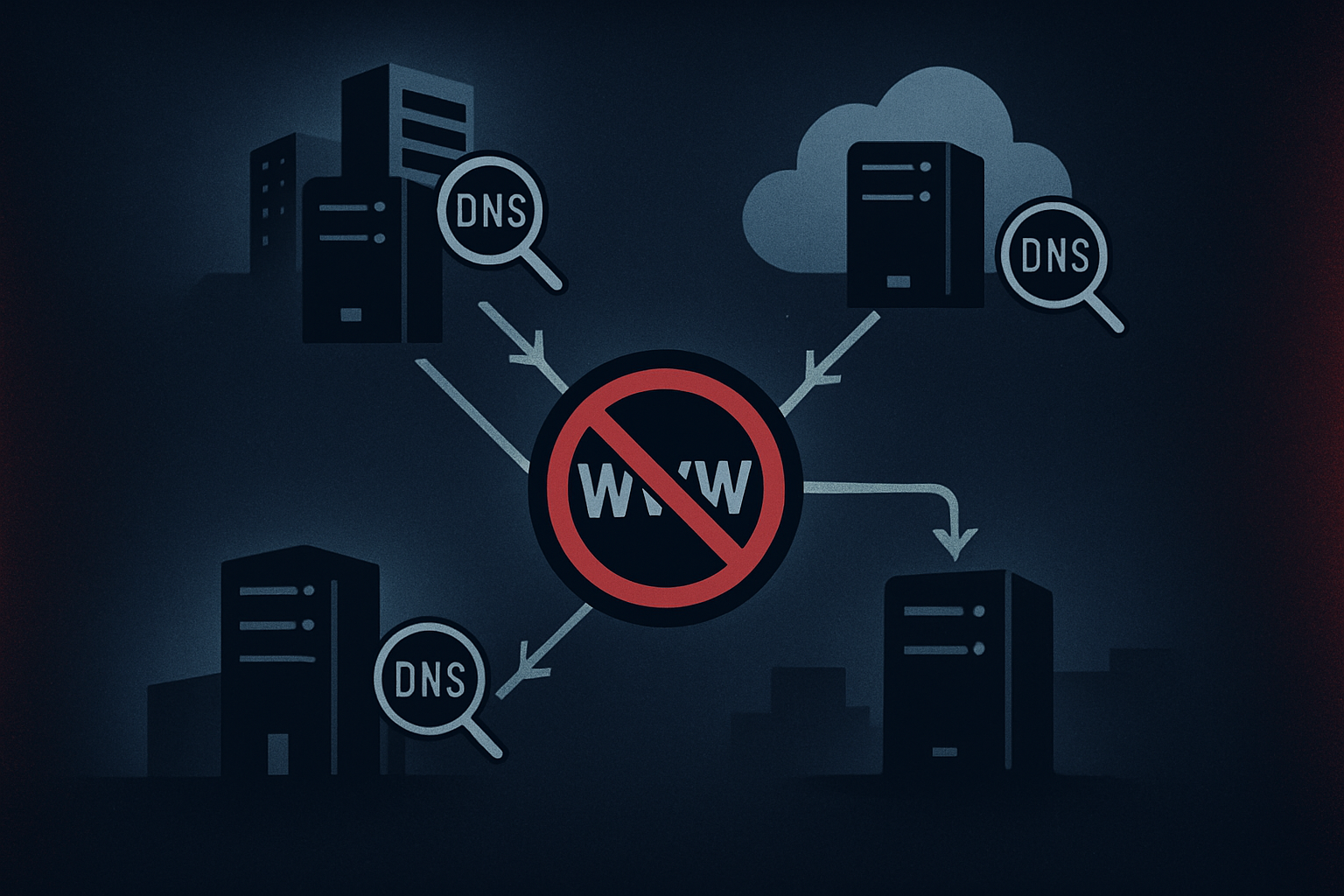
Modern pirate platforms rarely operate from a single datacenter or jurisdiction. Aiyifan, like many large-scale piracy operations, distributes its content across multiple hosting providers, content delivery networks, and sometimes several countries simultaneously. The actual video files may reside on servers in one jurisdiction, DNS records in another, and domain registration in a third.
When a copyright holder seeks domain seizure—the legal tool that transfers a .com or similar domain to a court's control—judges now face a practical reality: seizing the domain doesn't disable the service. Users already visiting via direct IP addresses, cached DNS records, or alternate domains continue to access the platform. The operator simply re-registers under a new domain, often within hours. This cat-and-mouse dynamic has led courts to question whether domain transfer orders actually serve justice or merely create administrative overhead.
Third-Party Content and Jurisdictional Liability
The Florida court's reasoning in refusing the domain transfer order reveals another enforcement gap. Domains hosting content from multiple rightsholders—not just iQIYI's material—create a legal complication. If a court transfers the domain to a receiver or liquidator, that entity becomes liable for content owned by other studios, labels, and publishers. Shutting down the domain might actually expose the court system to claims from those secondary rightsholders who now have no way to monetise or manage their own content.
This jurisdictional web is deliberate in many piracy operations. Operators aggregate content from multiple studios to maximise user value and muddy legal accountability. A domain holding exclusively one copyright holder's work is simpler to seize; one holding thousands of titles from dozens of rights owners becomes a legal liability. Courts recognise this and increasingly decline to assume that liability.
Why Hosting Architecture Defeats Traditional Enforcement
From an infrastructure perspective, the real lesson is simpler: pirate platforms have deliberately fragmented their hosting to survive takedowns. Content delivery is separated from the application layer. Authentication servers may be in one country, transcoding pipelines in another, origin storage in a third. Payments and administrative functions run on completely separate infrastructure.
Seizing a domain—which merely maps a human-readable name to an IP address—leaves all of this distributed infrastructure intact. The operator loses some convenience, not functionality. This is why enforcement actions increasingly target upstream providers: ISP blocking orders, payment processor shutdowns, and BGP hijacking of advertising networks. These hit the operational continuity directly. A domain transfer does not.
The Evolving Reality of Copyright Enforcement
The Aiyifan case also demonstrates that criminal conviction and civil damages—which did occur—no longer correlate with operational shutdown. Wang Jianyang, the operator, faced jail time in Shanghai. iQIYI won damages worth USD 1.96 million. Yet without effective infrastructure seizure, the platform can theoretically continue operating. A damages award against an operator in another country is often uncollectable; it becomes a paper victory.
This suggests that copyright holders will need to shift tactics. Rather than seeking domain transfers, enforcers increasingly pursue:
- Payment processor enforcement (preventing monetisation even if the platform runs)
- Upstream provider pressure (hosting companies, CDNs, transit providers)
- Advertising network blacklisting (cutting revenue streams)
- Criminal extradition or sanctions pressure (making operation too risky)
Domain seizure remains a tool, but courts now recognise it as a blunt instrument against distributed, multi-jurisdictional infrastructure. Until enforcement can target the hosting layer directly—or until operators consolidate their infrastructure out of necessity—domain transfers will remain a symbolic gesture rather than an operational kill shot.