Machine learning pipelines have become critical infrastructure for many organisations, yet the security model around model distribution and serving remains immature. A recent vulnerability in Google Cloud's Vertex AI SDK demonstrates a class of supply chain attack that sits at the intersection of storage configuration, dependency management, and runtime code execution.
The Mechanics of Bucket Squatting in ML Workflows
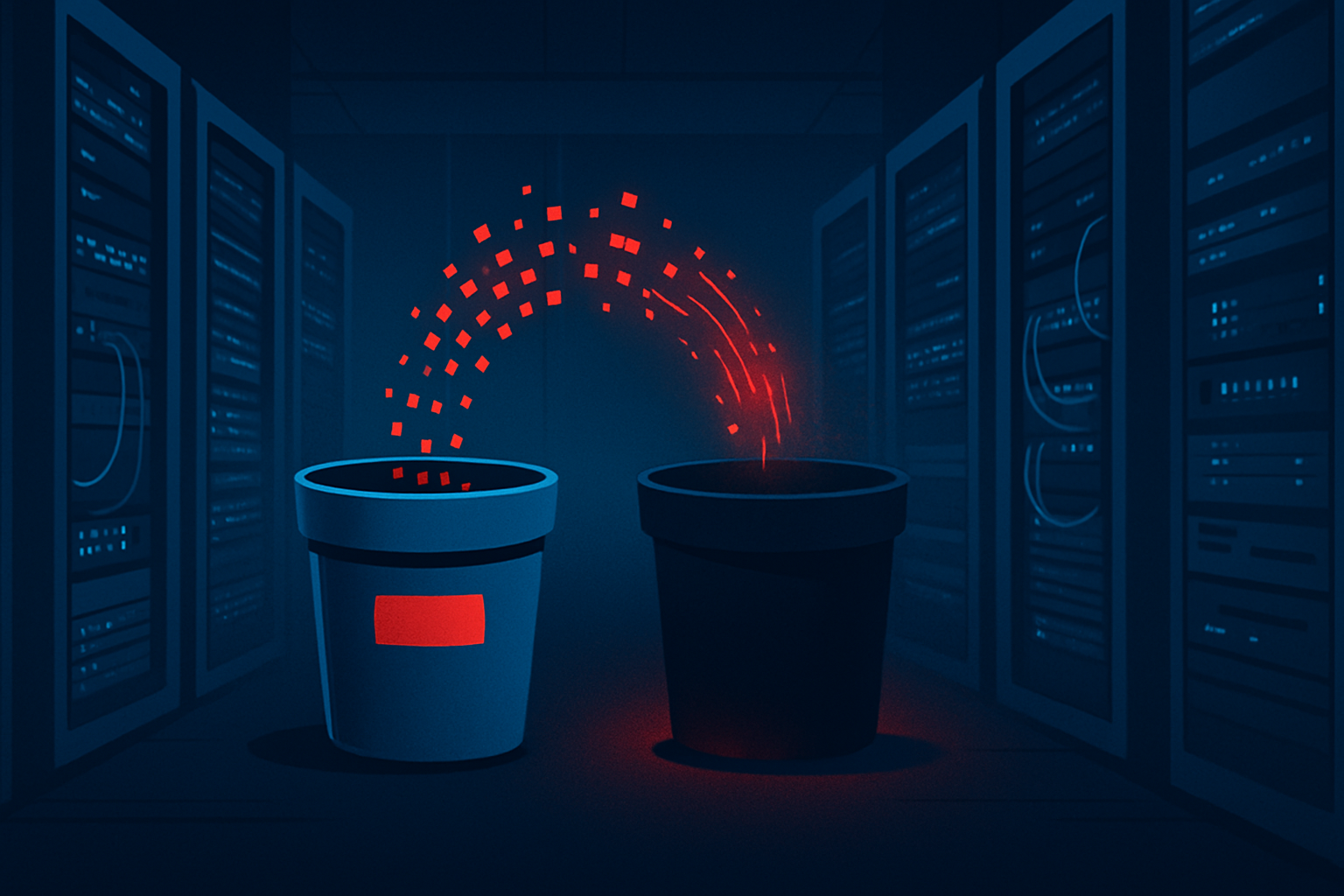
The flaw, identified by Palo Alto Networks Unit 42, centres on a predictable namespace collision when the Vertex AI SDK for Python attempts to locate and upload model artifacts. An attacker without access to a victim's GCP project can create a storage bucket with a name that matches the pattern the victim's SDK will search for during model upload. When the victim's pipeline executes, the SDK resolves to the attacker's bucket instead of the intended destination.
This is not a novel attack surface in isolation—namespace confusion has long been a known risk in package managers and container registries. However, its application to machine learning model serving introduces a particularly dangerous twist: the attacker gains the ability to inject arbitrary code that executes within Google's ML serving infrastructure when the poisoned model is deployed.
Why This Matters for Infrastructure Security
Unlike a compromised pip package that runs during installation on a developer's machine, a poisoned ML model can operate silently within production serving infrastructure. An attacker can exfiltrate training data, steal inference queries, tamper with predictions, or establish persistence for lateral movement within the cloud environment.
The attack requires no authentication, no social engineering, and no zero-day exploits. It relies on a straightforward logical gap: the SDK assumes that if a bucket exists and matches the expected naming pattern, it belongs to the legitimate owner. In a shared namespace environment like Google Cloud Storage, this assumption breaks down.
This pattern reflects a broader tension in cloud infrastructure: global namespaces (like bucket names or domain names) create persistent squatting opportunities whenever validation logic is weak or absent. Similar risks exist in other services where resource names are predictable and ownership verification is deferred or incomplete.
Implications for ML Deployment Practices
Teams deploying ML models on managed cloud platforms often treat the serving layer as a trusted environment—a reasonable assumption when the platform itself is handling security. However, this incident shows that trust must be anchored in explicit validation throughout the artifact supply chain, not just at the perimeter.
Best practice responses include: enforcing explicit bucket ownership verification before any upload occurs, using project-scoped storage paths that cannot be claimed by external principals, implementing signed model manifests that can be validated before serving, and applying strict IAM policies that prevent default service accounts from reading arbitrary buckets.
For teams using Vertex AI or similar platforms, the immediate remediation is straightforward: update the SDK and verify that model upload paths are confined to project-owned resources. Longer term, this incident should prompt review of any pipeline that accepts external artifacts without cryptographic validation of provenance.
A Reminder About Shared Infrastructure Assumptions
Bucket squatting in ML pipelines is a reminder that shared-namespace environments require defensive programming. Whether you're building on Google Cloud, AWS, Azure, or private infrastructure, any component that resolves a resource name should validate ownership before trusting the contents. The cost of that validation—a single API call to confirm project membership—is trivial compared to the risk of namespace confusion.
As machine learning becomes embedded in production systems, the bar for supply chain security in that domain must rise to match traditional software deployment. This vulnerability, caught before widespread exploitation and patched through responsible disclosure, should accelerate that shift.